Rekey vs. Replace: Which Should You Choose After Buying a Tampa Home?
By the experienced Florida technicians at OnCall Locksmith
Quick Answer
Replace only if the hardware is worn, low-grade, or you want a smart lock upgrade.
Why rekey is the default answer for new homeowners
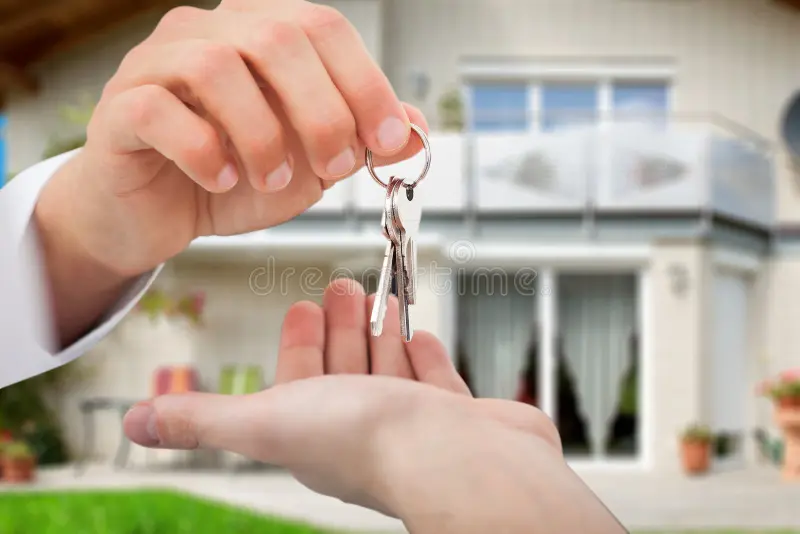
When you close on a Tampa-area home, there's no good way to know who has working keys. The previous owners, their cleaners, dog walkers, contractors, the realtor, the realtor's assistant, the listing photographer — any of them might still have a key sitting in a drawer. Rekeying solves this problem completely: we open each cylinder, replace the small brass pin stack with new ones, and cut you a fresh key. The lock body and exterior hardware stay; only the internal cuts change.
When you should replace instead
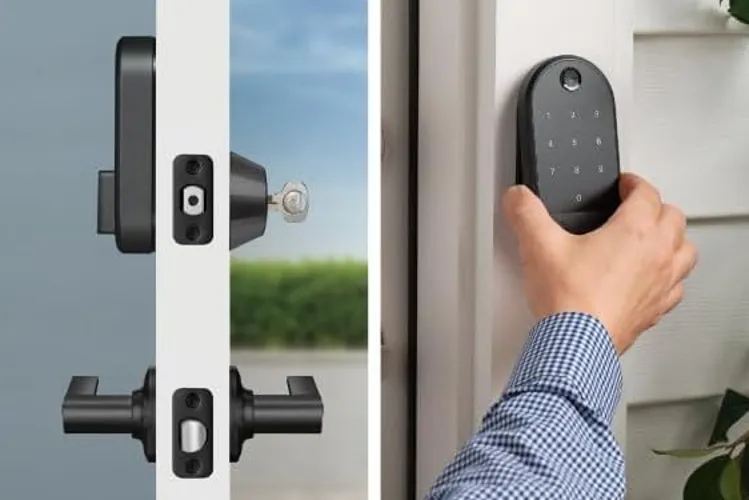
Replacement makes sense in four specific cases. Second, when the lock is mechanically worn — the deadbolt sticks, the knob spins loose, or the key drags on the way out. Third, when you want a smart lock with a keypad or auto-lock. Fourth, when the existing keyway is obsolete or rare and key duplication will be a headache for the next ten years.
- Replace if: hardware is Grade 3 / builder-basic (common in 1990s–2000s Tampa builds)
- Replace if: deadbolt drags, knob spins, key catches — mechanical wear
- Replace if: you want smart lock features (keypad, auto-lock, app control)
- Replace if: the keyway is unusual and duplicate keys will be a hassle
- Otherwise: rekey
What 'rekey to one key' means and why you want it
If your home has three exterior doors and a garage entry, those are probably four different keys today. Ask the locksmith to 'key-alike' all four cylinders during the rekey — one key opens everything.
The Tampa-specific things to think about
Florida humidity is hard on builder-grade locks. If you've moved into a home that's been vacant for 6+ months, plus the AC was set warm, the internal pins and springs may have a film of corrosion on them. A rekey on a sticky lock is a temporary fix — the new pins will bind too within a year. In those cases we'll recommend a lubricate-and-test before deciding rekey or replace.
Coastal salt air in Clearwater, St. Pete Beach, and Madeira Beach accelerates exterior trim corrosion. If you're within a mile of saltwater and the lock face is already pitted, replace with a marine-grade or coated cylinder rather than rekeying corroded hardware.
Frequently asked questions
Quick answers to what Tampa Bay readers ask most about this topic.
Related services
Service areas mentioned
Need help with this in Tampa Bay right now?
Our dispatch operates during our call and dispatch hours. Contact us for help with your lock and key needs.
Call (813) 345-4608More from the OnCall Locksmith blog