What to Do After a Break-In: Lock and Security Steps for Tampa Homeowners
A break-in can leave you feeling unsafe, stressed, and unsure what to do next. Once the immediate danger has passed, one of the most important steps is making sure your home, rental property, or managed unit can be secured again. For Tampa homeowners, renters, landlords, and property managers, that may mean replacing damaged locks, rekeying doors, inspecting hardware, or upgrading to stronger security options. This guide explains the practical steps to secure your property after a break-in so you can restore access control and reduce the risk of another incident.
Quick Answer: What Should You Do After a Break-In?
After a break-in, make sure everyone is safe, contact the proper authorities, avoid using damaged doors or locks, and schedule a locksmith to inspect the entry points. Depending on the damage, you may need to replace the lock, rekey, repair door hardware, upgrade to a deadbolt, or install a smart lock.
Table of Contents
- Make Sure the Property Is Safe First
- Check Which Doors, Locks, or Keys Were Affected
- Replace Damaged Locks
- Rekey Locks if Keys May Be Missing
- Inspect Door Hardware and Entry Points
- Consider Smart Locks and Security Upgrades
- What Renters, Landlords, and Property Managers Should Know
- Lock and Security Help in Tampa
- FAQs About Lock Replacement After a Break-In
- Schedule Lock Replacement After a Break-In

Make Sure the Property Is Safe First
Before focusing on locks or repairs, make sure everyone is safe. Do not enter the property if you believe someone may still be inside or if the scene feels unsafe. Contact local authorities and wait for guidance if needed.
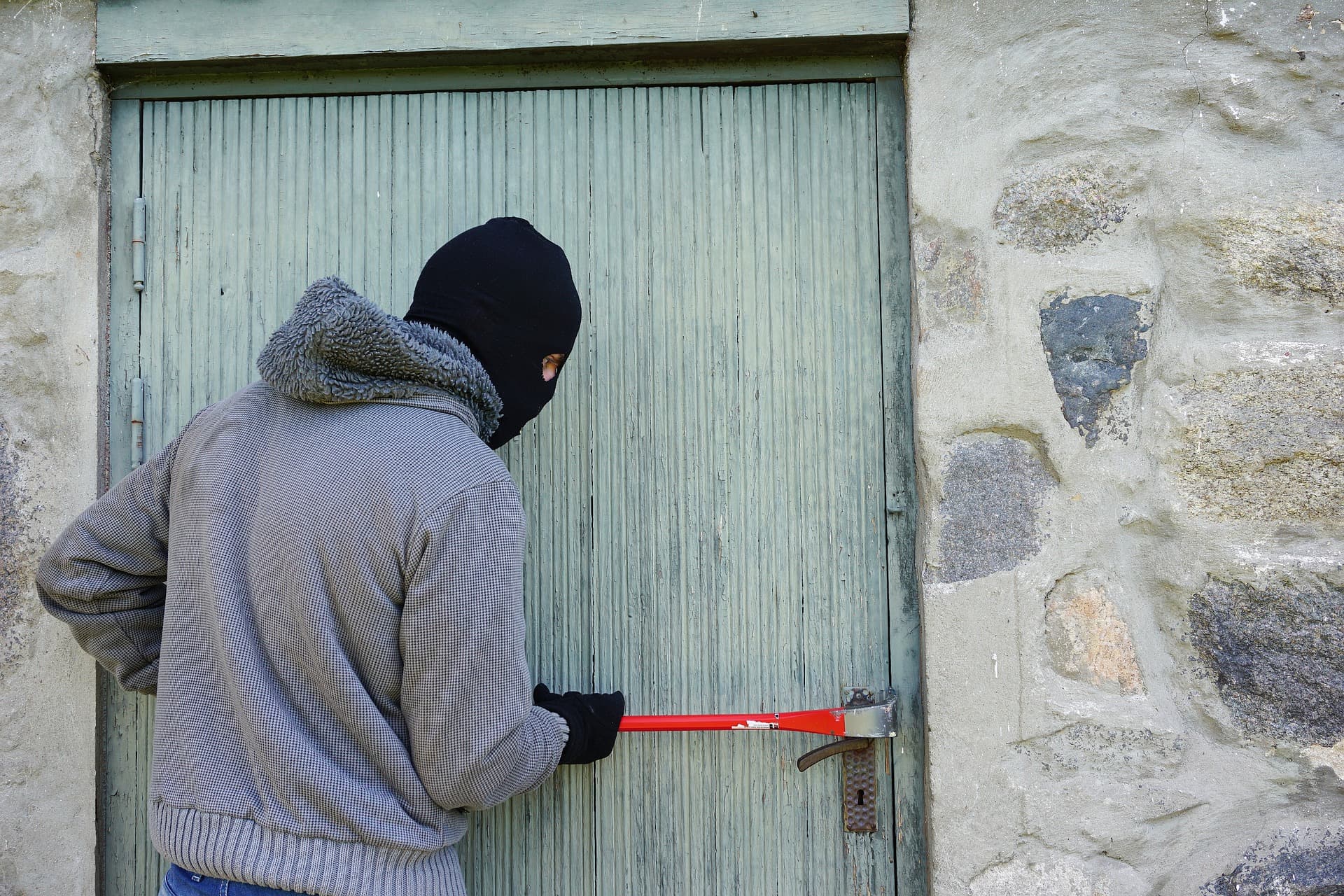
Once it is safe to assess the property, look for obvious signs of forced entry. This may include damaged locks, loose deadbolts, broken door frames, bent strike plates, cracked glass, or doors that no longer close correctly.
Avoid forcing damaged locks or doors. A lock that looks functional may still be weakened after an attempted break-in. If the door does not latch securely or the lock feels loose, it should be inspected before you rely on it.
Check Which Doors, Locks, or Keys Were Affected
After a break-in, it is important to understand how access was gained or compromised.
Start by checking:
- Front doors
- Back doors
- Garage entry doors
- Sliding doors
- Side gates
- Detached garages
- Storage rooms
- Rental unit entries
- Any lockboxes or spare key locations
You should also think about whether any keys may be missing. If a purse, backpack, key ring, garage remote, or spare key was taken, the locks may need to be rekeyed or replaced, even if the door itself was not damaged.
For landlords and property managers, this step is especially important. A break-in can affect tenant safety, shared access areas, maintenance keys, or master key control.
Replace Damaged Locks
If a lock was forced, drilled, kicked, bent, or otherwise damaged, replacement may be the safest option. A damaged lock may still turn, but that does not mean it can properly secure the door.
Lock replacement may be needed if:
- The deadbolt is loose
- The lock cylinder is damaged
- The key no longer turns smoothly
- The door was kicked or forced open
- The latch no longer lines up
- The lock hardware is old or weak
- The door cannot be secured reliably
A locksmith can inspect the lock and recommend whether replacement is necessary. In some cases, only the lock hardware needs to be replaced. In others, the door frame, strike plate, or latch area may also need attention.
Rekey Locks if Keys May Be Missing
Not every break-in requires a full lock replacement. If the hardware is still in good condition but keys may have been stolen, copied, or misplaced, rekeying may be the right solution.
Rekeying changes the internal pins of the lock so the old keys no longer work. You keep the existing lock hardware, but you receive a new key.
Rekeying may be a good option if:
- Keys were stolen
- A spare key is missing
- A former tenant, guest, or contractor may still have a key
- The lock hardware is still secure
- You want to restore key control quickly
For homeowners and renters, rekeying can help restore peace of mind after a key-related security concern. For landlords and property managers, it can also help maintain control after tenant turnover or unauthorized access.
Inspect Door Hardware and Entry Points
Locks are only one part of home security. After a break-in, the door and surrounding hardware should also be inspected.
A locksmith or qualified professional may check:
- Deadbolts
- Strike plates
- Door frames
- Hinges
- Latches
- Door alignment
- Sliding door locks
- Garage entry locks
- Secondary entry points
A strong lock is less effective if the frame is damaged or the strike plate is weak. In many forced-entry situations, the door frame or strike plate takes much of the impact.
Simple upgrades, such as longer screws, stronger strike plates, or better deadbolts, may improve security without requiring a full remodel.
Consider Smart Locks and Security Upgrades
Smart locks are not required after a break-in, but they may be worth considering if you want better access control.
A smart lock may help you:
- Use keypad entry instead of spare keys
- Give temporary access to trusted people
- Remove access without collecting physical keys
- Reduce hidden spare key risks
- Track entry activity on some models
- Lock or unlock the door remotely on compatible systems
Smart locks can be useful for homeowners, rental property owners, and property managers who need to control access for family, tenants, cleaners, contractors, or house sitters.
However, smart locks should be installed correctly and matched to the door. If the door is misaligned or the deadbolt does not extend smoothly, the smart lock may not work as intended.
What Renters, Landlords, and Property Managers Should Know
Break-ins can be especially complicated for rental properties and managed units. Renters should notify the property owner or manager as soon as possible. Landlords and property managers should confirm which locks, keys, and shared access points may have been affected.
For rental or managed properties, important questions include:
- Was the unit door damaged?
- Were any keys stolen?
- Do shared entry doors need attention?
- Does the tenant need temporary access support?
- Should the unit be rekeyed?
- Are vendors, cleaners, or maintenance keys still controlled?
A locksmith can help evaluate whether rekeying, lock replacement, or hardware upgrades make the most sense.
Lock and Security Help in Tampa
Tampa homeowners, renters, landlords, and property managers may need help with locks quickly after a break-in. OnCall Locksmith provides residential and emergency locksmith services throughout the Tampa Bay area, including Hillsborough County, Pinellas County, and nearby communities.
If your lock was damaged, keys were stolen, or the door no longer secures properly, it is important to address the issue before relying on the same lock again. A professional locksmith can inspect the hardware, explain your options, and help restore security.
FAQs About Lock Replacement After a Break-In
Should I replace my locks after a break-in?
You should replace locks if they were damaged, forced, loose, or no longer secure properly. If the hardware is still in good condition but the keys are missing, rekeying may be enough.
Is rekeying enough after a break-in?
Rekeying may be enough if the lock was not damaged, and the main concern is that someone may have a key. If the lock or door hardware was physically damaged, replacement may be safer.
What is the difference between rekeying and replacing a lock?
Rekeying changes the internal lock pins, so old keys no longer work. Replacing a lock means removing the existing lock hardware and installing new hardware.
Should I upgrade my deadbolt after a break-in?
It may be a good idea to replace your current deadbolt if it is old, loose, damaged, or low-quality. A locksmith can inspect the door and recommend whether a stronger deadbolt or strike plate upgrade makes sense.
Can a smart lock help after a break-in?
A smart lock can help with access control, especially if you want to reduce the use of spare keys or grant temporary access to trusted people. It should be installed on a properly aligned and secure door.
What should I do if my keys were stolen during a break-in?
If keys were stolen, rekeying or replacing the locks is recommended to prevent the missing keys from working. This is important even if the door itself was not damaged.
Can a locksmith repair a lock after a break-in?
Sometimes. If the damage is minor, repair may be possible. If the lock is weakened, bent, or unreliable, replacement may be the better option.
How quickly should I call a locksmith after a break-in?
You should call as soon as the property is safe and you are ready to secure the entry points. Damaged or compromised locks should not be relied on longer than necessary.
Schedule Lock Replacement After a Break-In
After a break-in, restoring security should be a priority. Whether you need lock replacement, rekeying, a door hardware inspection, or a smart lock upgrade, OnCall Locksmith can help you understand your options and secure your property.
Contact OnCall Locksmith to schedule lock replacement after a break-in in Tampa, Hillsborough County, Pinellas County, and the surrounding Tampa Bay area.