Master Key Systems for Small Tampa Businesses: A Practical Guide
By the experienced Florida technicians at OnCall Locksmith
Quick Answer
A master key system lets a Tampa business owner open every lock with one 'master' key while each employee carries a 'change' key that only opens their assigned doors. For higher staff turnover or 10+ doors, electronic access control with cards or keypads is usually the better long-term choice.
How a master key system actually works
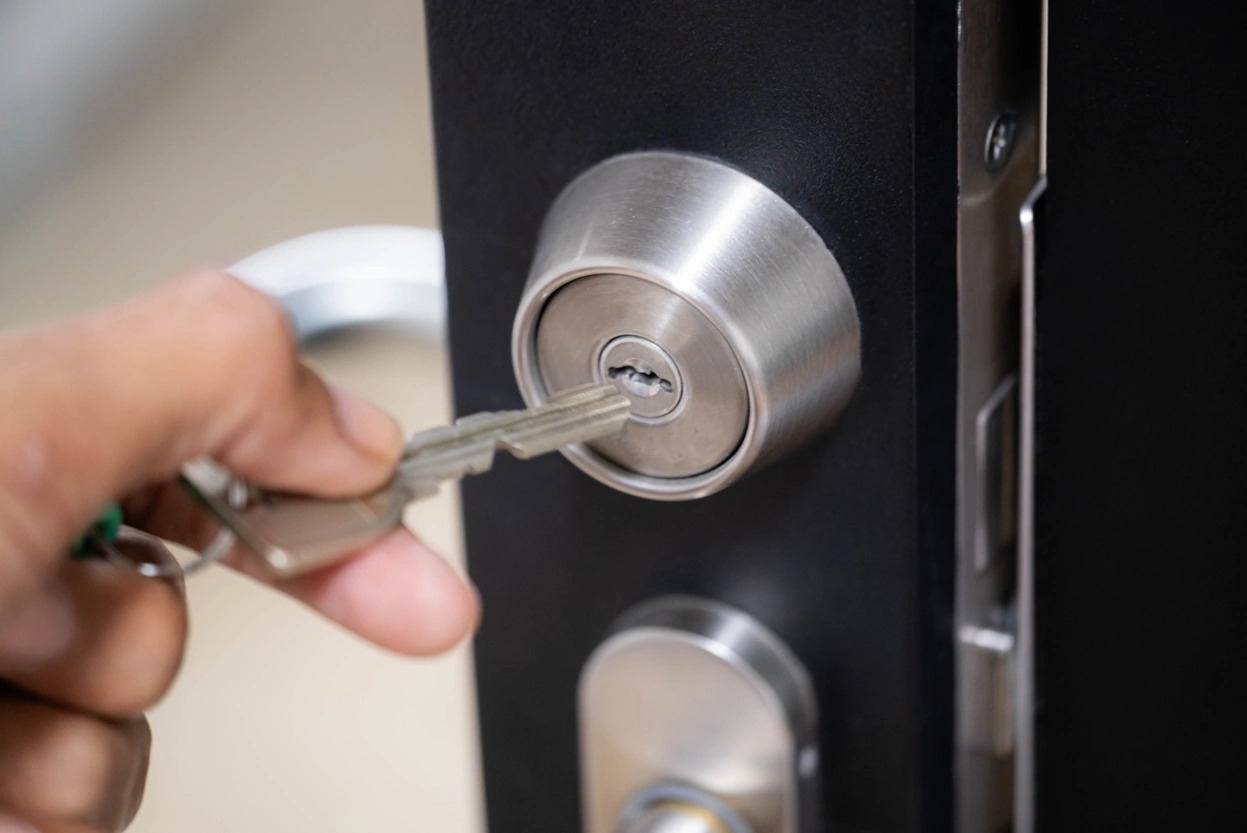
A master key system uses cylinders with two sets of pin stacks inside. Each cylinder has a unique combination that responds to its own 'change key,' plus a separate combination that responds to the building's 'master key.' Done right, this lets the business owner carry one key that opens everything (back door, front door, manager's office, supply closet, server room) while each employee's key opens only the doors they need.
The hierarchy can stack. A two-level system has master + change. A three-level system adds 'sub-masters' — your store manager carries a key that opens all customer-facing doors but not your office. A four-level grand-master system is what hotels and large office buildings use. Most Tampa small businesses don't need beyond two levels.
When master keys win, and when access control wins
They're rugged, they have no batteries to die, and they keep working when the internet doesn't.
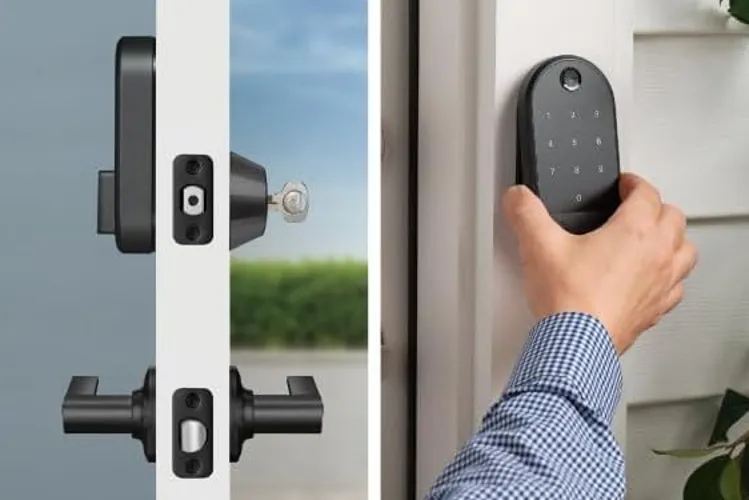
Electronic access control (HID card readers, ProxPad keypads, mobile credentials via Brivo or Kisi) wins when you have 10+ doors, employees turn over more than once a year, you need remote disable (someone quits Friday at 5pm, you don't want to physically retrieve a key Saturday morning), or you need an audit log of who entered what door when.
- Master key system — best fit:
- • Under 8 doors, predictable staff, no audit log requirement
- • Environments where electronics are a liability (warehouses, outdoor gates)
- Access control — best fit:
- • 10+ doors, frequent staff changes, multi-tenant buildings
- • Compliance environments (HIPAA, PCI) requiring audit logs
- • Anywhere you need to disable a credential instantly without retrieving hardware
Common mistakes Tampa small businesses make
Three patterns we see repeatedly. First: buying a master system with a standard non-restricted keyway. The whole point of master keying is centralized access control, and a key any employee can copy at a hardware store defeats it within months. Always insist on a restricted keyway for any master system that includes back-of-house access.
Second: not refreshing the system after a manager or key holder leaves. If a former manager quits with the master key (or 'lost' it on the way out the door), the entire system needs to be rekeyed — not just one cylinder.
Third: master keying spaces that shouldn't be on the system. Server rooms, owner offices, safes, and any space holding sensitive customer data should usually be on their own non-mastered locks. The convenience of 'one key opens everything' isn't worth the security blast radius when a master key goes missing.
Frequently asked questions
Quick answers to what Tampa Bay readers ask most about this topic.
Related services
Service areas mentioned
Need help with this in Tampa Bay right now?
Our dispatch operates during our call and dispatch hours. Contact us for help with your lock and key needs.
Call (813) 345-4608More from the OnCall Locksmith blog